
Puzzle Mechanics
Rotation
Rotate pieces or sections to reach a target orientation or state.
10 in catalog
%22%2F%3E%0A%20%20%3Ccircle%20cx%3D%22280%22%20cy%3D%2240%22%20r%3D%2270%22%20fill%3D%22%23f2e9e4%22%20opacity%3D%220.08%22%2F%3E%0A%20%20%3Ccircle%20cx%3D%2220%22%20cy%3D%22280%22%20r%3D%2290%22%20fill%3D%22%23f2e9e4%22%20opacity%3D%220.06%22%2F%3E%0A%20%20%0A%20%20%20%20%3Cpath%20d%3D%22M70%20110%20H150%20V70%20H210%20V130%20H250%20V210%20H170%20V250%20H110%20V190%20H70%20Z%22%20fill%3D%22var(--a)%22%20opacity%3D%220.95%22%2F%3E%0A%20%20%20%20%3Cpath%20d%3D%22M110%20150%20H170%20V110%20H210%20V170%20H170%20V210%20H110%20Z%22%20fill%3D%22var(--b)%22%20opacity%3D%220.9%22%2F%3E%0A%20%20%20%20%3Crect%20x%3D%22190%22%20y%3D%22150%22%20width%3D%2248%22%20height%3D%2248%22%20rx%3D%226%22%20fill%3D%22var(--c)%22%2F%3E%0A%20%20%20%20%3Crect%20x%3D%2290%22%20y%3D%2290%22%20width%3D%2240%22%20height%3D%2240%22%20rx%3D%226%22%20fill%3D%22var(--d)%22%2F%3E%0A%20%20%0A%3C%2Fsvg%3E)
Difficulty 3/10
Fit irregular, usually interlocking pieces together to rebuild a complete picture and outline.
%22%2F%3E%0A%20%20%3Ccircle%20cx%3D%22280%22%20cy%3D%2240%22%20r%3D%2270%22%20fill%3D%22%23f2e6d8%22%20opacity%3D%220.08%22%2F%3E%0A%20%20%3Ccircle%20cx%3D%2220%22%20cy%3D%22280%22%20r%3D%2290%22%20fill%3D%22%23f2e6d8%22%20opacity%3D%220.06%22%2F%3E%0A%20%20%0A%20%20%20%20%3Cg%20transform%3D%22translate(160%20150)%22%3E%0A%20%20%20%20%20%20%3Cpolygon%20points%3D%220%2C-78%2068%2C-39%2068%2C39%200%2C78%20-68%2C39%20-68%2C-39%22%20fill%3D%22var(--surface)%22%20stroke%3D%22var(--ink)%22%20stroke-width%3D%223%22%2F%3E%0A%20%20%20%20%20%20%3Cpolygon%20points%3D%220%2C-78%2068%2C-39%200%2C0%20-68%2C-39%22%20fill%3D%22var(--a)%22%2F%3E%0A%20%20%20%20%20%20%3Cpolygon%20points%3D%2268%2C-39%2068%2C39%200%2C0%22%20fill%3D%22var(--b)%22%2F%3E%0A%20%20%20%20%20%20%3Cpolygon%20points%3D%2268%2C39%200%2C78%200%2C0%22%20fill%3D%22var(--c)%22%2F%3E%0A%20%20%20%20%20%20%3Cpolygon%20points%3D%220%2C78%20-68%2C39%200%2C0%22%20fill%3D%22var(--d)%22%2F%3E%0A%20%20%20%20%20%20%3Cpolygon%20points%3D%22-68%2C39%20-68%2C-39%200%2C0%22%20fill%3D%22var(--e)%22%2F%3E%0A%20%20%20%20%3C%2Fg%3E%0A%20%20%0A%3C%2Fsvg%3E)
Difficulty 6/10
A dodecahedral twisty puzzle: turn the twelve pentagonal faces until each face is a solid color. Six- or twelve-color schemes are common.
%22%2F%3E%0A%20%20%3Ccircle%20cx%3D%22280%22%20cy%3D%2240%22%20r%3D%2270%22%20fill%3D%22%23f2e9e4%22%20opacity%3D%220.08%22%2F%3E%0A%20%20%3Ccircle%20cx%3D%2220%22%20cy%3D%22280%22%20r%3D%2290%22%20fill%3D%22%23f2e9e4%22%20opacity%3D%220.06%22%2F%3E%0A%20%20%0A%20%20%20%20%3Cg%20transform%3D%22translate(160%20150)%22%3E%0A%20%20%20%20%20%20%3Cpolygon%20points%3D%220%2C-78%2068%2C-39%2068%2C39%200%2C78%20-68%2C39%20-68%2C-39%22%20fill%3D%22var(--surface)%22%20stroke%3D%22var(--ink)%22%20stroke-width%3D%223%22%2F%3E%0A%20%20%20%20%20%20%3Cpolygon%20points%3D%220%2C-78%2068%2C-39%200%2C0%20-68%2C-39%22%20fill%3D%22var(--a)%22%2F%3E%0A%20%20%20%20%20%20%3Cpolygon%20points%3D%2268%2C-39%2068%2C39%200%2C0%22%20fill%3D%22var(--b)%22%2F%3E%0A%20%20%20%20%20%20%3Cpolygon%20points%3D%2268%2C39%200%2C78%200%2C0%22%20fill%3D%22var(--c)%22%2F%3E%0A%20%20%20%20%20%20%3Cpolygon%20points%3D%220%2C78%20-68%2C39%200%2C0%22%20fill%3D%22var(--d)%22%2F%3E%0A%20%20%20%20%20%20%3Cpolygon%20points%3D%22-68%2C39%20-68%2C-39%200%2C0%22%20fill%3D%22var(--e)%22%2F%3E%0A%20%20%20%20%3C%2Fg%3E%0A%20%20%0A%3C%2Fsvg%3E)
Difficulty 5/10
A tetrahedral twisty puzzle: turn layers about the four vertices until each triangular face is a solid color.
Difficulty 7/10
A 3D twisty puzzle: turn the layers of a 3×3×3 cube until each face is a solid color.
Difficulty 5/10
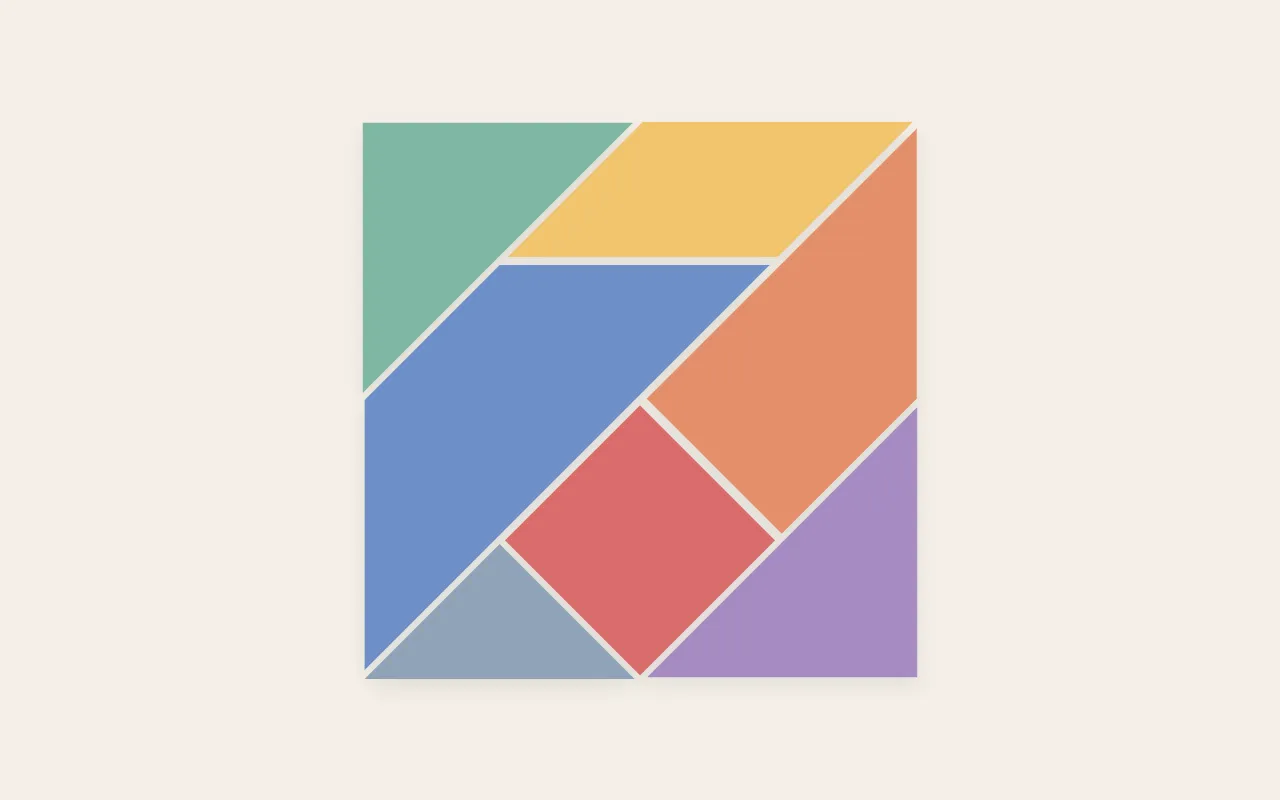
A Japanese seven-piece silhouette puzzle that cuts a square differently from the Chinese Tangram; all seven pieces are used without overlap to match a target outline.
Difficulty 5/10
A cube-shaped twisty puzzle that turns about its corners, moving half the cube at a time, until all six faces are solid colors.
%22%2F%3E%0A%20%20%3Ccircle%20cx%3D%22280%22%20cy%3D%2240%22%20r%3D%2270%22%20fill%3D%22%23edf2f4%22%20opacity%3D%220.08%22%2F%3E%0A%20%20%3Ccircle%20cx%3D%2220%22%20cy%3D%22280%22%20r%3D%2290%22%20fill%3D%22%23edf2f4%22%20opacity%3D%220.06%22%2F%3E%0A%20%20%0A%20%20%20%20%3Cpath%20d%3D%22M70%20110%20H150%20V70%20H210%20V130%20H250%20V210%20H170%20V250%20H110%20V190%20H70%20Z%22%20fill%3D%22var(--a)%22%20opacity%3D%220.95%22%2F%3E%0A%20%20%20%20%3Cpath%20d%3D%22M110%20150%20H170%20V110%20H210%20V170%20H170%20V210%20H110%20Z%22%20fill%3D%22var(--b)%22%20opacity%3D%220.9%22%2F%3E%0A%20%20%20%20%3Crect%20x%3D%22190%22%20y%3D%22150%22%20width%3D%2248%22%20height%3D%2248%22%20rx%3D%226%22%20fill%3D%22var(--c)%22%2F%3E%0A%20%20%20%20%3Crect%20x%3D%2290%22%20y%3D%2290%22%20width%3D%2240%22%20height%3D%2240%22%20rx%3D%226%22%20fill%3D%22var(--d)%22%2F%3E%0A%20%20%0A%3C%2Fsvg%3E)
Difficulty 6/10
Assemble seven irregular cube pieces into a 3×3×3 cube or another prescribed three-dimensional form.
%22%2F%3E%0A%20%20%3Ccircle%20cx%3D%22280%22%20cy%3D%2240%22%20r%3D%2270%22%20fill%3D%22%23f1faee%22%20opacity%3D%220.08%22%2F%3E%0A%20%20%3Ccircle%20cx%3D%2220%22%20cy%3D%22280%22%20r%3D%2290%22%20fill%3D%22%23f1faee%22%20opacity%3D%220.06%22%2F%3E%0A%20%20%0A%20%20%20%20%3Cg%20transform%3D%22translate(160%20150)%22%3E%0A%20%20%20%20%20%20%3Cpolygon%20points%3D%220%2C-78%2068%2C-39%2068%2C39%200%2C78%20-68%2C39%20-68%2C-39%22%20fill%3D%22var(--surface)%22%20stroke%3D%22var(--ink)%22%20stroke-width%3D%223%22%2F%3E%0A%20%20%20%20%20%20%3Cpolygon%20points%3D%220%2C-78%2068%2C-39%200%2C0%20-68%2C-39%22%20fill%3D%22var(--a)%22%2F%3E%0A%20%20%20%20%20%20%3Cpolygon%20points%3D%2268%2C-39%2068%2C39%200%2C0%22%20fill%3D%22var(--b)%22%2F%3E%0A%20%20%20%20%20%20%3Cpolygon%20points%3D%2268%2C39%200%2C78%200%2C0%22%20fill%3D%22var(--c)%22%2F%3E%0A%20%20%20%20%20%20%3Cpolygon%20points%3D%220%2C78%20-68%2C39%200%2C0%22%20fill%3D%22var(--d)%22%2F%3E%0A%20%20%20%20%20%20%3Cpolygon%20points%3D%22-68%2C39%20-68%2C-39%200%2C0%22%20fill%3D%22var(--e)%22%2F%3E%0A%20%20%20%20%3C%2Fg%3E%0A%20%20%0A%3C%2Fsvg%3E)
Difficulty 6/10
A shape-shifting twisty puzzle: turn the top and bottom layers, flip the middle, and restore both the cube shape and its colors.
Difficulty 4/10
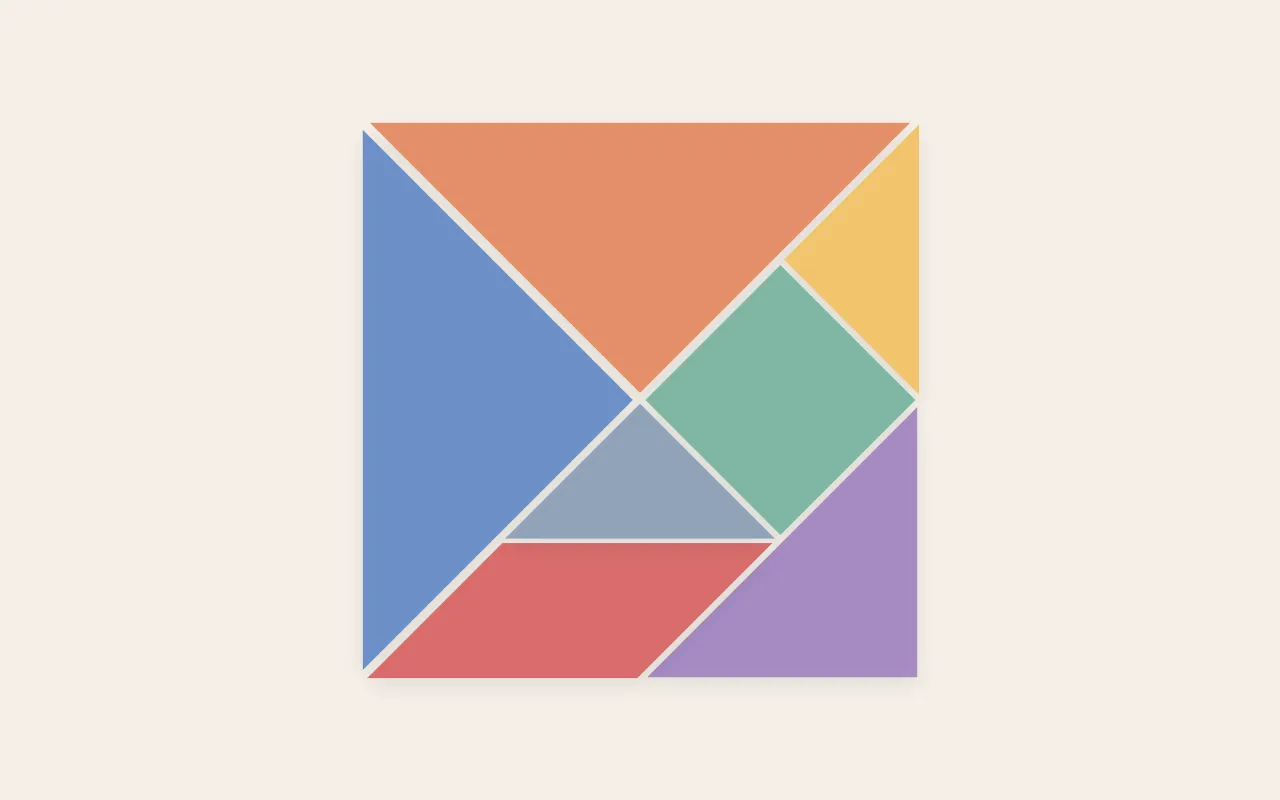
A Chinese seven-piece dissection puzzle in which all pieces are rearranged without overlap to reproduce a silhouette.
Difficulty 7/10
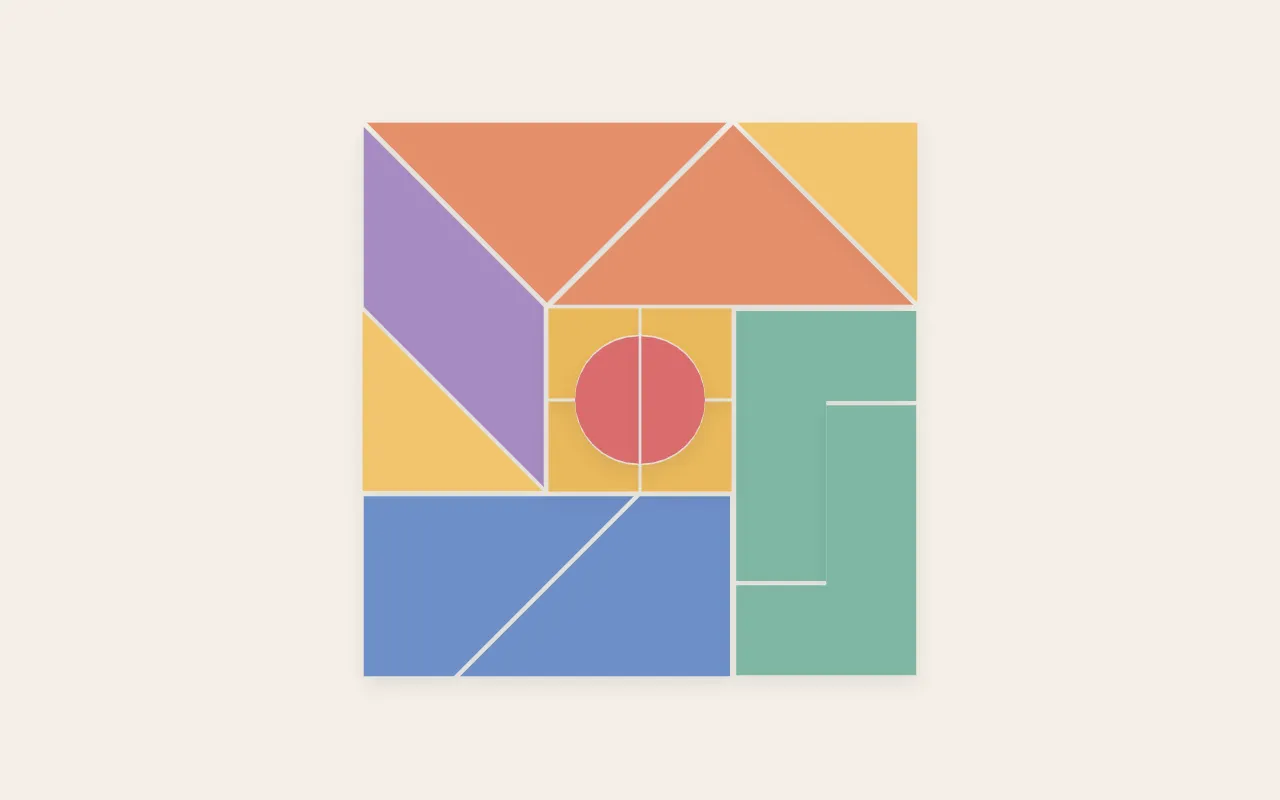
A 15-piece Qing-dynasty silhouette puzzle by Tong Yegeng, with some curved pieces. Not the same as the seven-piece Tangram, which is sometimes also called "Yizhi tu."